
CORNEAL TRANSPLANT MELBOURNE

HAWTHORN EYE CLINIC

Safe and effective treatment, with the aim to restore clear vision.

CORNEAL TRANSPLANT MELBOURNE

A PATIENT’S GUIDE

Our ophthalmologists take the time to explain each diagnosis in clear, simple terms and discuss all available treatment options. We encourage questions, so you can make educated decisions about your eye care treatment with confidence.

All the specialists use cutting edge, proven technology and strive to provide you with high quality care.

HAWTHORN EYE CLINIC
Learn more about corneal transplantation surgery:

Frequently Asked Questions

Visit our frequently asked questions section to find answers to common questions about corneal transplant surgery including:

  • Do I need corneal transplant surgery?

  • How long does a corneal transplant take?

  • Is corneal transplant surgery painful?

  • How much does corneal transplant surgery cost?

  • Can my corneal issue return after surgery?

  • Are there risks with corneal transplant surgery?

  • How long until I can drive after the surgery?

  • How long until I can undertake everyday activities after surgery?

What is a corneal transplant?

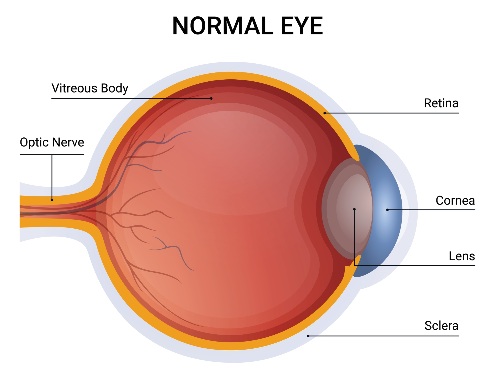
A corneal transplant (also called a keratoplasty) is a surgical procedure where a damaged or diseased cornea is replaced with healthy donor tissue.

The cornea is the clear, dome-shaped surface at the front of your eye that helps focus light. If it becomes scarred, swollen, or irregular in shape, it can cause blurred vision, pain, or even loss of sight.

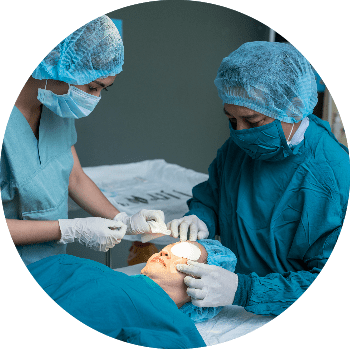
During a corneal transplant, an eye surgeon carefully removes the affected part of your cornea and replaces it with clear donor tissue. The donor cornea comes from an eye bank and is carefully tested to ensure safety and suitability.
Why have corneal transplant surgery?

A corneal transplant may be recommended when the cornea becomes too damaged or cloudy to provide clear vision. Common reasons may include:

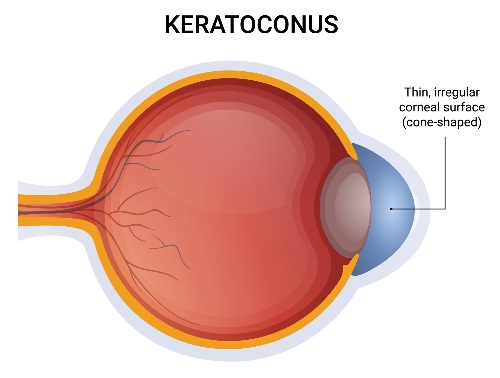
Keratoconus – A progressive thinning and bulging of the cornea.
Bullous Keratopathy – Damage to the inner corneal cells, causing swelling, blurred vision, and sometimes discomfort.
Corneal Scarring – From infections, inflammation, or eye injuries, which block light from entering the eye normally.
Hereditary Conditions – Such as Fuchs’ dystrophy, where the cornea becomes cloudy or swollen over time.
Failed Previous Graft – In some cases, an earlier corneal transplant may stop working and require replacement.

How do corneal problems affect a patient’s vision?

Corneal problems can impact vision as the cornea, the clear front part of the eye, plays a key role in focusing light onto the retina. When it becomes damaged, cloudy, irregular, or scarred, light can’t pass through properly. This may cause:

  • Blurry or distorted vision

  • Increased sensitivity to light and glare

  • Reduced sharpness or clarity

  • Frequent changes in glasses prescription

  • Difficulty seeing clearly at night

  • Pain and discomfort.

How are corneal issues diagnosed?

Ophthalmologists diagnose potential corneal issues through a comprehensive eye examination to assess the clarity, shape, and health of your cornea, using several specialised tests that may include:

Diagnostic test Description
Slit-lamp examination: A microscope with a light is used to inspect the cornea for swelling, scarring, or irregularities.
Corneal topography: Creates a detailed map of the cornea’s surface to detect potential corneal conditions.
Pachymetry: Measures corneal thickness, useful for detecting swelling or thinning.
Keratometry: Measures the curvature of the cornea to identify irregular shapes.
Staining tests (fluorescein dye): A special dye highlights scratches, ulcers, or dry spots on the cornea.
cataract diagnosis

Together, these tests help the ophthalmologist determine if corneal issues are present, how advanced it is, and whether it’s affecting vision enough to consider corneal transplant surgery.

Corneal Transplant Surgery Melbourne

If you have any questions about corneal transplant surgery, appointment bookings, location or opening hours, visit:

How are corneal conditions treated?

Corneal Treatments

Treatment for corneal conditions depends on the type, severity, and location of the issue. Options include non-surgical and surgical approaches, such as:

1. Non-surgical treatments:

  • Eye drops or medications for infections, inflammation, or dryness
  • Special contact lenses to improve vision
  • Lifestyle changes – avoid eye rubbing and treating allergies of the eye and skin around eyes.

2. Surgical treatments – Corneal transplants:

  • Full-thickness transplant (PK)
  • Partial-thickness transplants (DALK, DSAEK, DMEK)
  • Other procedures to strengthen or smooth the cornea (corneal cross-linking or laser treatments).

Your ophthalmologists will recommend the best option based on your vision, the type of corneal problem, and overall eye health.

Corneal surgery

If your corneal issue is affecting your vision, and you are a suitable candidate for a corneal transplant, your ophthalmologist may recommend one of the following corneal transplant surgeries:

Penetrating Keratoplasty (PK)

Penetrating Keratoplasty, or full-thickness corneal transplant, involves replacing the entire damaged cornea with a clear donor cornea. The diseased central portion is removed, and the donor cornea is carefully positioned and secured with fine sutures.

Surgery time: 45-60 minutes
Anaesthetic: Usually performed under local or general anaesthesia.
Post surgical care: Eye drops and medications help prevent infection and rejection.
Recovery: Vision gradually improves over several months, though glasses or contact lenses may still be needed for best results.

Regular follow-up visits after the surgery is important to monitor healing and maintain the health of the transplant.

Deep Anterior Lamellar Keratoplasty (DALK)

Deep Anterior Lamellar Keratoplasty (DALK) is a partial-thickness corneal transplant commonly performed for conditions such as keratoconus and superficial corneal scarring.

During the procedure, the front layers of the cornea are removed while preserving the patient’s inner layers (Descemet’s membrane and endothelium). A donor corneal layer, with its inner surface removed, is then precisely positioned and sutured in place.

Surgery time: 60-90 minutes
Anaesthetic: Usually performed under local or general anaesthesia.
Post surgical care: Eye drops and medications help prevent infection and graft rejection.
Recovery: Vision typically improves gradually over several months. Regular follow-up visits are required to monitor healing, manage stitches, and ensure the graft remains clear and healthy.

Compared to a full-thickness transplant, DALK potentially offers lower risk of rejection and faster recovery while maintaining excellent long-term visual outcomes.

Endothelial Keratoplasty Surgery

Endothelial keratoplasty is a type of corneal transplant that replaces only the damaged inner layer of the cornea (usually the Descemet’s membrane and/or endothelium), rather than the entire cornea.

Benefits of this approach include:
Smaller incision and faster recovery: Performed through a tiny opening, leading to less discomfort and quicker healing compared with a full corneal transplant.
Lower risk of rejection: Using less donor tissue reduces the chance of graft rejection.
No corneal surface stitches: No or minimal corneal surface stitches. With no external sutures, the eye surface remains smooth and irritation is minimal.

The below surgeries use this approach:

Descemet Stripping Automated Endothelial Keratoplasty (DSAEK)

Descemet Stripping Automated Endothelial Keratoplasty (DSAEK) is a modern form of partial-thickness corneal transplant. During this procedure, the surgeon carefully removes the patient’s diseased inner corneal layer (Descemet’s membrane and endothelium) and replaces it with a thin layer of healthy donor tissue containing the same structures. The donor graft is positioned inside the eye and held in place with an air bubble, rather than sutures, allowing for faster and more comfortable healing.

Surgery time: 45-60 minutes.
Anaesthetic: Usually performed under local or general anaesthesia.
Post surgical care: Antibiotic and anti-inflammatory eye drops to aid healing and reduce the risk of rejection.
Recovery: Most people notice clearer vision within weeks, with full recovery taking several months.

Compared to traditional full-thickness transplants, DSAEK offers faster visual recovery, fewer sutures, and a lower risk of complications, while preserving much of the eye’s natural structure.

Descemet’s Membrane Endothelial Keratoplasty (DMEK)

Descemet’s Membrane Endothelial Keratoplasty (DMEK) is a specialised form of endothelial keratoplasty. In this procedure, only the thinnest layer of the donor cornea, (the Descemet’s membrane and endothelium) is transplanted after carefully removing the patient’s diseased inner layer. The graft is positioned inside the eye and held in place with an air bubble, reducing the need for sutures.

Surgery time: 45-60 minutes.
Anaesthetic: Usually performed under local or general anaesthesia.
Post surgical care: Antibiotic and anti-inflammatory eye drops to aid healing and reduce the risk of rejection.
Recovery: Is usually faster than DSAEK, and many patients achieve excellent vision within weeks.

DMEK does not have a higher risk of graft failure. But it is more difficult to perform and may take longer than DSAEK and PK.

Regular follow-up visits after surgery are essential to monitor graft health and healing.

What happens after corneal transplant surgery?

Immediately after surgery:

  • Your surgeon and eye care team will monitor you in the recovery area
  • Your operated eye will be covered with a protective shield or patch
  • Do not rub, press, or touch your eye
  • You will receive detailed instructions about your eye drops, medications, and follow-up appointments
  • It’s normal for your eye to feel gritty, watery, or slightly sore, and vision may be blurry or hazy at first.
1-2 weeks after surgery:

  • Use your prescribed eye drops exactly as directed to prevent infection and control inflammation
  • Keep your eye shield on at night to avoid accidental rubbing while you sleep
  • Avoid bending, straining, or lifting heavy objects
  • Do not rub or put pressure on your eye
  • You can shower, but keep soap, shampoo, and water out of your eye
  • Vision may remain blurred as the cornea heals, and stitches help hold the graft in place.

Week 3-4 weeks after surgery:

  • Continue using your eye drops as prescribed
  • Your eye should feel more comfortable with less redness and irritation
  • Avoid swimming, dusty environments, and strenuous activity
  • Protect your eye from injury and bright sunlight (wear sunglasses outdoors)
  • Vision may gradually improve, but full recovery can take several months
  • Your doctor will monitor the healing of the graft and may adjust or remove stitches over time.

Corneal Transplant Surgery – Frequently Asked Questions

The decision to have corneal transplant surgery is ultimately between you, your family and your ophthalmologist.

Factors to consider will be based on your individual diagnosis and the extent your cornea/s are inhibiting your vision. Impaired vision may affect your ability to drive, read and increase your risks of falls and injuries as well as inhibiting your social life and other daily activities.

Pain may require patients to have corneal transplantation. In some patients the impaired vision happens so slowly, that they become accustomed to it and may be unaware of it.

Fees will depend on the following factors:

  • Privately insured patients – Please check with your health fund whether your are covered for cataract surgery (item 42702)
  • Hospital costs – Please check with your health insurance fund
  • Out-of-pocket costs – We will provide you with a written estimate for the surgeon
  • Anaesthetic costs – Anaesthetists charge different fees, we provide you with the contact details of the Anaesthetist, so you can confirm fees in advance.

You should not feel any pain during the surgery. The sedation given through your vein by your anaesthetist will keep you in a light, relaxed “twilight” sleep, while local anaesthetic around the eye ensures it remains completely numb.

Many patients are so relaxed they remember little or nothing of the procedure afterwards.

How long corneal transplant surgery takes is dependant on the type of surgery. Most of the surgical approaches take between 45 – 90 minutes.

With preparation and recovery added in, your appointment may be take a number of hours.

Ask your ophthalmologist for a more accurate timeframe.

In most cases, corneal surgery provides long-term improvement in vision. Some conditions can come back over time, such as diseases that affect the inner corneal cells.

Graft rejection or failure can also occur. Regular follow-up visits help your surgeon monitor your healing and detect any early signs of problems.

As with any surgery, corneal surgery comes with risks. Your ophthalmologist will discuss the risks with you in relation to your unique diagnosis.

In Australia, corneal transplant surgery success rates vary dependant on type of surgery and individual circumstances.

Statistics from Australian Corneal Graft Registry for first year graft survival (for penetrating transplants) is about 90-91%.

How soon you can drive after a corneal transplant varies from person to person depending on the type of surgery, healing progress and vision recovery. It is best assessed by your ophthalmologist.

Driving is not safe until your surgeon confirms that your vision meets the legal driving standard and your eye has healed enough.

Vision recovery can take 3 to 6 months or longer.

This will vary form person to person and is best assessed by your ophthalmologist to when you can undertake specific activities. The following is a guide only and best advised by your ophthalmologist.

Exercise:

  • Gentle walking is fine early on.
  • Avoid heavy lifting, strenuous activity or bending over for 4–6 weeks.
  • Bending Over – Try not to bend forward in the first few weeks — bend at your knees instead.

Swimming – Avoid swimming, spas or saunas for 8–12 weeks to prevent infection.

Eye Makeup – Wait at least 4 weeks before using makeup near the eye. Always use new, clean products.

Work and Daily Tasks:

  • Light or office work – Usually after 2–4 weeks
  • Physical or outdoor work – May need 6–8 weeks or longer.

You may still need glasses or contact lenses after a corneal transplant while your vision settles. Vision is often blurred or changing in the first few months as the eye heals.

Once healing is stable (usually 3–6 months), your surgeon or optometrist can check your vision and prescribe glasses if needed. Some patients may also benefit from contacts or laser correction later.

Corneal Transplant Surgery Melbourne

If you have any questions about corneal transplant surgery, appointment bookings, location or opening hours, visit: