
CORNEAL TRANSPLANT MELBOURNE
A PATIENT’S GUIDE
Our ophthalmologists take the time to explain each diagnosis in clear, simple terms and discuss all available treatment options. We encourage questions, so you can make educated decisions about your eye care treatment with confidence.
All the specialists use cutting edge, proven technology and strive to provide you with high quality care.
HAWTHORN EYE CLINIC
What is a corneal transplant?
A corneal transplant (also called a keratoplasty) is a surgical procedure where a damaged or diseased cornea is replaced with healthy donor tissue.
The cornea is the clear, dome-shaped surface at the front of your eye that helps focus light. If it becomes scarred, swollen, or irregular in shape, it can cause blurred vision, pain, or even loss of sight.
During a corneal transplant, an eye surgeon carefully removes the affected part of your cornea and replaces it with clear donor tissue. The donor cornea comes from an eye bank and is carefully tested to ensure safety and suitability.
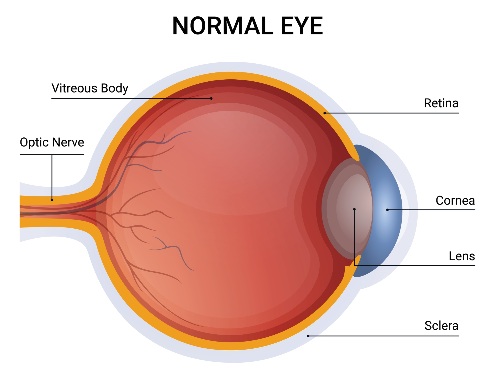
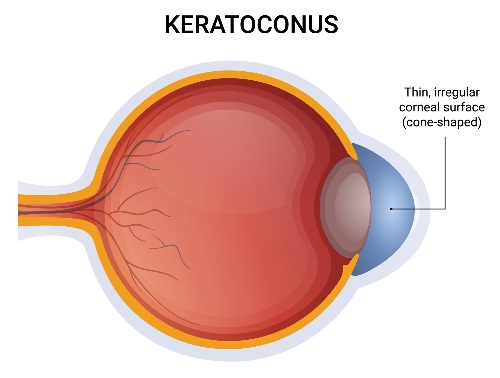
How do corneal problems affect a patient’s vision?
Corneal problems can impact vision as the cornea, the clear front part of the eye, plays a key role in focusing light onto the retina. When it becomes damaged, cloudy, irregular, or scarred, light can’t pass through properly. This may cause:
How are corneal issues diagnosed?
Ophthalmologists diagnose potential corneal issues through a comprehensive eye examination to assess the clarity, shape, and health of your cornea, using several specialised tests that may include:
| Diagnostic test | Description |
|---|---|
| Slit-lamp examination: | A microscope with a light is used to inspect the cornea for swelling, scarring, or irregularities. |
| Corneal topography: | Creates a detailed map of the cornea’s surface to detect potential corneal conditions. |
| Pachymetry: | Measures corneal thickness, useful for detecting swelling or thinning. |
| Keratometry: | Measures the curvature of the cornea to identify irregular shapes. |
| Staining tests (fluorescein dye): | A special dye highlights scratches, ulcers, or dry spots on the cornea. |

Together, these tests help the ophthalmologist determine if corneal issues are present, how advanced it is, and whether it’s affecting vision enough to consider corneal transplant surgery.
How are corneal conditions treated?
Corneal surgery
If your corneal issue is affecting your vision, and you are a suitable candidate for a corneal transplant, your ophthalmologist may recommend one of the following corneal transplant surgeries:
Endothelial Keratoplasty Surgery
Endothelial keratoplasty is a type of corneal transplant that replaces only the damaged inner layer of the cornea (usually the Descemet’s membrane and/or endothelium), rather than the entire cornea.
Benefits of this approach include:
Smaller incision and faster recovery: Performed through a tiny opening, leading to less discomfort and quicker healing compared with a full corneal transplant.
Lower risk of rejection: Using less donor tissue reduces the chance of graft rejection.
No corneal surface stitches: No or minimal corneal surface stitches. With no external sutures, the eye surface remains smooth and irritation is minimal.
The below surgeries use this approach:
What happens after corneal transplant surgery?
Immediately after surgery:
- Your surgeon and eye care team will monitor you in the recovery area
- Your operated eye will be covered with a protective shield or patch
- Do not rub, press, or touch your eye
- You will receive detailed instructions about your eye drops, medications, and follow-up appointments
- It’s normal for your eye to feel gritty, watery, or slightly sore, and vision may be blurry or hazy at first.

1-2 weeks after surgery:
- Use your prescribed eye drops exactly as directed to prevent infection and control inflammation
- Keep your eye shield on at night to avoid accidental rubbing while you sleep
- Avoid bending, straining, or lifting heavy objects
- Do not rub or put pressure on your eye
- You can shower, but keep soap, shampoo, and water out of your eye
- Vision may remain blurred as the cornea heals, and stitches help hold the graft in place.

Week 3-4 weeks after surgery:
- Continue using your eye drops as prescribed
- Your eye should feel more comfortable with less redness and irritation
- Avoid swimming, dusty environments, and strenuous activity
- Protect your eye from injury and bright sunlight (wear sunglasses outdoors)
- Vision may gradually improve, but full recovery can take several months
- Your doctor will monitor the healing of the graft and may adjust or remove stitches over time.

Corneal Transplant Surgery – Frequently Asked Questions
Proud member of the Royal Australian and New Zealand College of Ophthalmologists.