EYELID SURGERY MELBOURNE
A PATIENT’S GUIDE
Your eyelids play an important role in protecting your eyes and keeping them healthy. They help spread tears across the eye’s surface and drain excess tears through small ducts around the eye. Eyelid conditions can affect both function and appearance.
HAWTHORN EYE CLINIC
Learn more about eyelid conditions and the treatment options available.
Our ophthalmologists take the time to explain each diagnosis in clear, simple terms and discuss all available treatment options. We encourage questions, so you can make educated decisions about your eye care treatment with confidence.
Find out more about eyelid functions, conditions and treatments:
Frequently Asked Questions
Visit our frequently asked questions section to find answers to common questions about eyelid surgeries including:
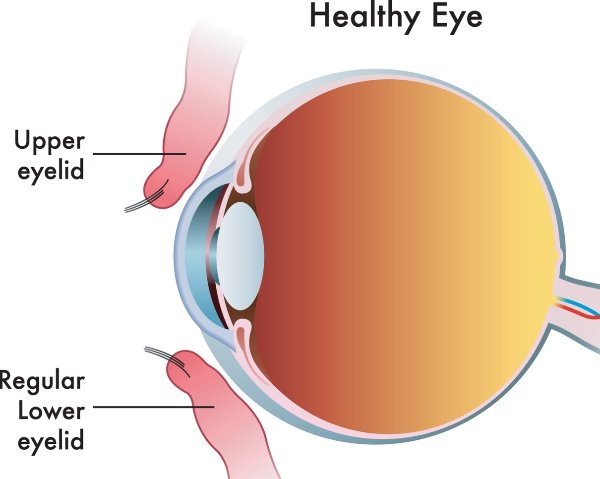
Heathy Eyelid Functions
Healthy eyelids are essential for protecting your eyes and keeping them comfortable.
They act as a barrier against dust and injury, help spread tears evenly across the eye’s surface, and drain away excess moisture through tiny tear ducts.
When the eyelids are in good condition, they open and close smoothly, sit comfortably against the eye, and keep the surface of the eye clean and well-lubricated.
Any changes such as redness, irritation, swelling, drooping, or lumps, can be a sign of an underlying eyelid problem that may need medical attention.
How do eyelid conditions affect vision?
Healthy eyelids help protect the eyes and keep the surface clear and moist, which is essential for sharp vision. When the eyelids don’t sit or move properly, they can interfere with how well you see and how comfortable your eyes feel.
Several common eyelid conditions can affect how your eyelids function and impact your vision including:
How are eyelid conditions diagnosed?
Ophthalmologists diagnose potential eyelid issues through a comprehensive eye examination to assess the clarity, shape, and health of your eye and eyelid, using several specialised tests that may include:
| Test | Description |
|---|---|
| Eye history: | Ask about history and symptoms such as as irritation, watering, redness, or changes in eyelid position. |
| Eyelid exam: | Checking how the lids move, how well they close, and how they sit against the eye. |
| Slit lamp microscope: | To closely inspect the eyelid edges, lashes, and eye surface. |
| Asses tear function: | To see if dryness or excessive tearing is contributing to symptoms. |
| Further tests: | Such as imaging or a small biopsy if a lump or tumour is suspected. |

These tests help your ophthalmologist determine if there are any issues present, how advanced it is, and whether it’s affecting vision enough to consider specific treatments.
How are eyelid conditions treated?
Treatment for eyelid conditions depends on which part of the eyelid is affected, how advanced the condition is, and the type of issues present. The main goal is to stabilise eye health, and improve visual clarity where possible. Management may include non-surgical and surgical approaches – See below:
1. Non-surgical treatments
Non-surgical treatments may include:
Lubricating eye drops and ointments – These can help keep the eye moist and relieve irritation or dryness.
Warm compresses and lid hygiene – Useful for conditions like chalazion or blepharitis to reduce inflammation and blockage.
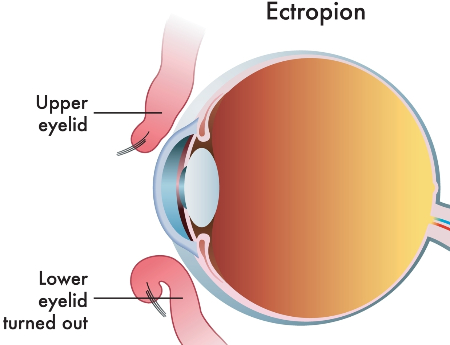
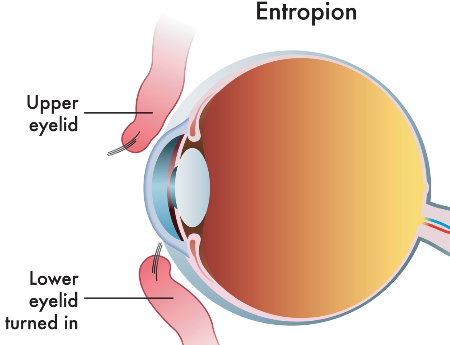
Eyelid taping or temporary sutures – May assist in repositioning the eyelid in conditions like entropion or ectropion until surgery is performed.
Medicated creams or ointments – Used help relieve inflammation or infection of the eyelid.
Observation and monitoring – For small, harmless cysts or lumps that may resolve on their own.
2. Surgical treatments
Eyelid repositioning surgery – To correct droopy eyelids (ptosis), inward-turning (entropion), or outward-turning (ectropion) eyelids.
Excision of eyelid lumps or tumours – Removal of benign cysts or skin cancers, often followed by reconstruction of the eyelid.
Reconstructive eyelid surgery – To restore normal eyelid shape, movement, and appearance after tumour removal or injury.
Eyelid Surgery – Frequently Asked Questions
Proud member of the Royal Australian and New Zealand College of Ophthalmologists.