
GLAUCOMA TREATMENT MELBOURNE
A PATIENT’S GUIDE
Our ophthalmologists take the time to explain each diagnosis in clear, simple terms and discuss all available treatment options. We encourage questions, so you can make educated decisions about your eye care treatment with confidence.
All the specialists use cutting edge, proven technology and strive to provide you with high quality care.
HAWTHORN EYE CLINIC
What is Glaucoma?
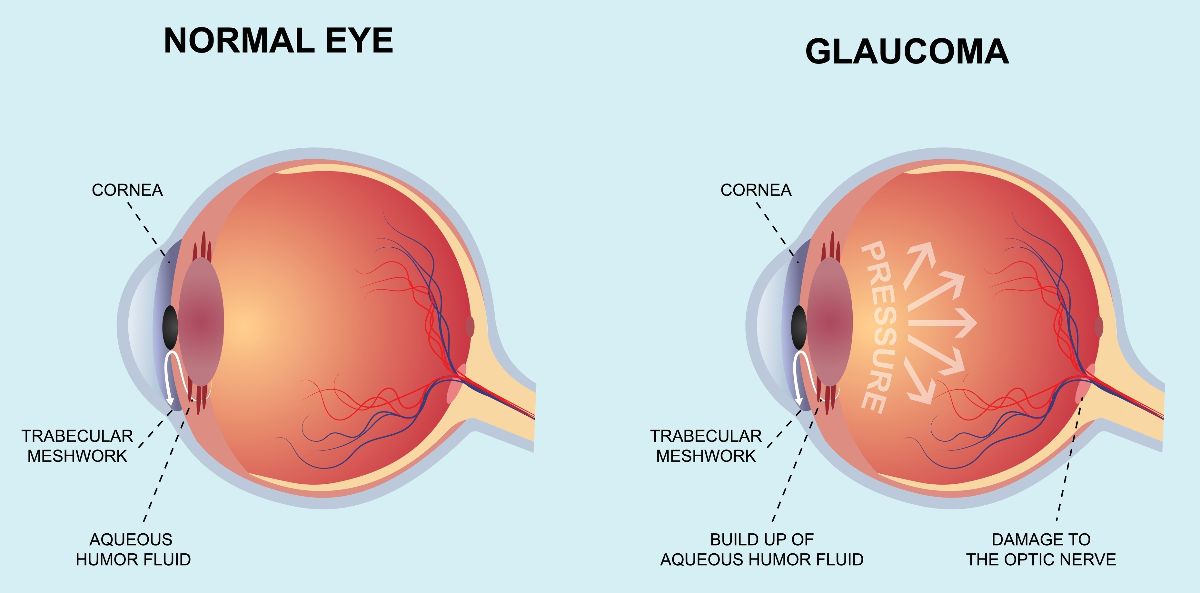
Glaucoma is a group of eye conditions that damage the optic nerve — the nerve that carries visual information from your eye to your brain. This damage is often linked to increased pressure inside the eye (intraoccular pressure), although glaucoma can also occur when eye pressure is within the normal range. Over time, the condition can cause gradual and permanent vision loss.
In most cases, glaucoma develops slowly and without noticeable symptoms, often affecting side vision first. Because early changes can be difficult to detect, regular comprehensive eye examinations — particularly from age 40 onwards — are essential. While vision loss from glaucoma cannot be reversed, early diagnosis and treatment can slow or prevent further damage and help protect your eyesight.
Am I at risk of getting glaucoma?
Glaucoma risk factors include:
What are the symptoms of glaucoma and how can it affect vision?
There are different types of glaucoma that may exhibit different symptoms. Primary Open-Angle Glaucoma is the most common, accounting for 90% of glaucoma cases in Australia – Source: Glaucoma Australia.
As glaucoma develops the following symptoms may occur:
Primary Open-Angle Glaucoma – There are no obvious symptoms in the early stages of Primary Open-Angle Glaucoma. Damage progresses slowly and destroys vision gradually, starting with peripheral vision. This early vision loss often goes unnoticed until a significant amount of damage to the optic nerve has already occurred.
Acute Angle-Closure Glaucoma – May cause severe eye pain associated with nausea and vomiting, headache, watery eyes, sudden onset of blurred vision or seeing halos around light. This is a medical emergency and immediate treatment is required.
While vision loss can’t be restored, early diagnosis and treatment can delay or halt the progression of the disease. That is why it’s so important to detect the problem as early as possible.
Symptoms may include:
How is glaucoma diagnosed?
Glaucoma is diagnosed through a comprehensive eye examination by an eye care professional, focusing on detecting damage to the optic nerve and measuring eye pressure. Eye examinations to detect glaucoma may include:
| Diagnostic test | Description |
|---|---|
| Eye Exam: | Evaluates how clearly you see and inspects the inner health of your eyes. |
| Slit Lamp Exam: | A microscope examination to assess the general health of the eye and retina. |
| Pentacam: | A camera that maps the thickness and shape of the cornea. |
| Additional Testing | Using the IOL Master to accurately measure the length of the eye. |
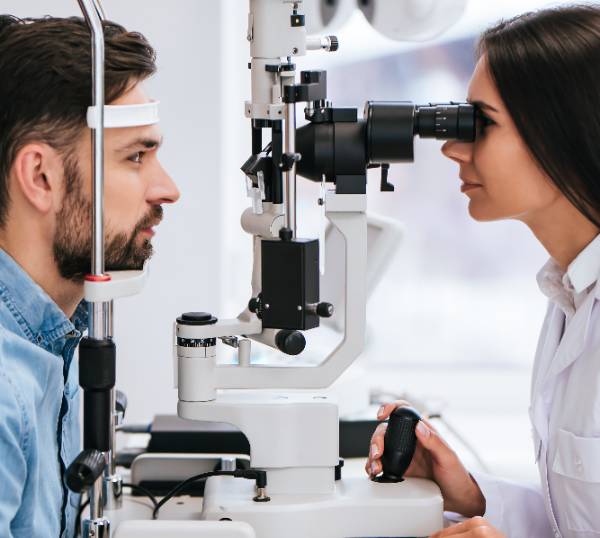
These tests are crucial because, in the early stages, most forms of glaucoma present no symptoms. Regular comprehensive eye exams are the only way to detect the disease before significant, irreversible vision loss occurs.
How is glaucoma treated?
Trabeculectomy (Glaucoma Surgery)
Trabeculectomy is a well-established surgical procedure used to lower eye pressure (intraocular pressure or IOP) in people with glaucoma. It has been performed for over 40 years and is often recommended when eye drops or laser treatment are no longer controlling the pressure adequately.
How it works
During surgery, a tiny opening is created in the white part of the eye (sclera) to allow fluid to drain in a controlled way into a small reservoir under the upper eyelid, called a bleb. By improving fluid drainage, the pressure inside the eye is reduced, helping to slow further damage to the optic nerve. The bleb is usually hidden beneath the upper eyelid and not visible in normal position.
What happens after your glaucoma surgery?
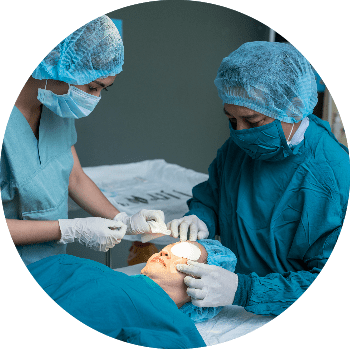
Immediately after surgery:
- Your surgeon and the eye care team will monitor you for 15 to 30 minutes
- You will have your eye covered with a protective shield or patch after surgery
- Do not rub or touch your eye after the surgery
- Your home eye care plan will be discussed with you in detail, as well as follow up appointment to check on your progress
- Temporary side effects may include watery, gritty and/or red or bloodshot eyes.
1-2 weeks after surgery:
- Use your prescribed eye drops exactly as directed
- Keep your protective eye shield on at night to avoid rubbing the eye in your sleep
- Avoid bending over, lifting heavy objects, or straining
- Don’t rub or press on your eye
- Showers are fine, but keep water, soap, and shampoo out of your eye

Week 3-4 weeks after surgery:
- Use your prescribed eye drops exactly as directed
- Continue to protect your eye from injury or rubbing
- The eye should be more comfortable, with less redness and irritation
- Your doctor may monitor your need for glasses
- You can usually return to light daily activities such as walking and light household tasks
- Still avoid swimming, dusty environments, and vigorous exercise.

Frequently asked questions about glaucoma surgery?
Proud member of the Royal Australian and New Zealand College of Ophthalmologists.